How Appliance Health Monitoring Is Transforming Marietta Homes
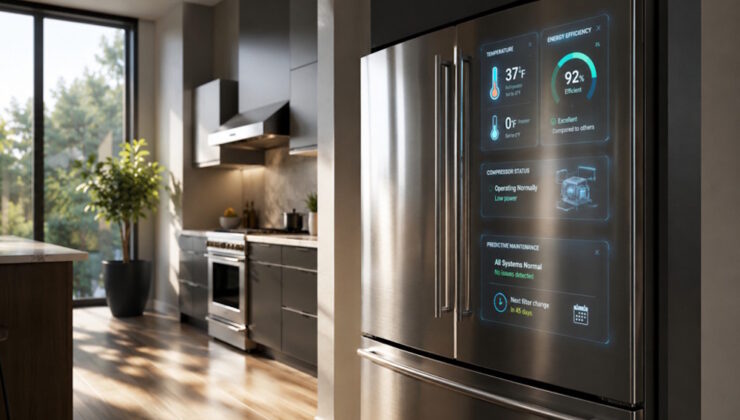
Appliance maintenance is becoming smarter, more proactive, and far less reactive for Marietta homeowners. Instead of waiting for a refrigerator, freezer, ice maker, or oven to break down, new appliance health monitoring tools use connected sensors, AI, and real-time performance data to catch small issues early. In Marietta’s hot, humid climate, that early warning can help homeowners reduce repair costs, protect food quality, improve energy efficiency, and extend the life of their most important appliances
For decades, homeowners followed a reactive approach to appliance maintenance: wait for a refrigerator, freezer, or ice maker to fail, then schedule a repair. While this strategy may seem practical, it often leads to costly service calls, food spoilage, increased energy consumption, and shortened appliance lifespan.
Today, advances in smart-home technology are changing that model. Modern appliances increasingly rely on connected sensors, cloud-based diagnostics, and artificial intelligence to continuously evaluate performance. Rather than waiting for a breakdown, homeowners can receive alerts when an appliance begins operating outside normal parameters.
The shift is part of a broader trend toward predictive maintenance. According to industry analysts, smart-home adoption continues to expand as consumers seek greater visibility into energy usage, appliance performance, and household efficiency. Refrigerators, freezers, and ice machines are among the leading categories benefiting from these innovations.
For homeowners in Marietta, where summer temperatures regularly reach the upper 80s and 90s, appliance monitoring can provide an added layer of protection. High outdoor temperatures often place additional strain on refrigeration systems, making early detection of performance issues particularly valuable.
Key Takeaways
• Appliance health monitoring uses connected sensors, AI, and data analytics to detect performance issues before they lead to breakdowns.
• Smart refrigerators, freezers, and ice machines can track temperature, energy consumption, airflow, and component health in real time.
• Predictive maintenance helps homeowners reduce repair costs, improve energy efficiency, and extend appliance lifespan.
• Connected monitoring systems provide early warnings about issues such as restricted airflow, worn door seals, and abnormal compressor activity.
• Marietta's hot summers and high humidity can place additional stress on refrigeration appliances, making proactive monitoring especially valuable.
• Smart diagnostics complement routine maintenance but do not replace professional inspections and repairs.
• As AI and IoT technologies continue to evolve, appliance maintenance is becoming increasingly proactive, data-driven, and reliable.
What Is Appliance Health Monitoring?
Appliance health monitoring uses connected sensors, software, and data analytics to continuously evaluate appliance performance. These systems collect operating data and identify changes that may indicate declining efficiency or developing mechanical issues.
Instead of relying on visual inspections alone, homeowners can receive alerts when appliances experience unusual temperature fluctuations, increased energy consumption, restricted airflow, or abnormal operating cycles.
Many modern appliances can monitor:
• Internal temperatures
• Compressor performance
• Energy consumption
• Humidity levels
• Water flow rates
• Door seal effectiveness
• Operating cycles
This data-driven approach helps homeowners make maintenance decisions based on actual performance rather than assumptions.
The Technology Behind Modern Appliance Monitoring
Connected appliances rely on a combination of Internet of Things (IoT) connectivity, advanced sensors, and artificial intelligence.
Temperature sensors help maintain safe food storage conditions. Vibration sensors can detect compressor irregularities. Water-flow sensors monitor ice makers and dispensers for restrictions or leaks. These systems transmit information to mobile applications or cloud-based platforms, allowing homeowners to monitor appliance performance remotely.
The evolution of appliance monitoring is part of a broader shift toward intelligent, connected devices that can anticipate user needs and respond proactively. Emerging concepts such as agent-first computing, where AI systems coordinate actions across multiple devices and services, suggest that future home appliances may become even more autonomous. As technologies continue to mature, refrigerators, freezers, and other household systems could move beyond monitoring performance to actively recommend maintenance, optimize energy use, and coordinate with other smart-home devices.
Artificial intelligence adds another layer of value by analyzing long-term operating patterns. If a refrigerator compressor begins running longer than expected or a freezer experiences recurring temperature swings, AI-driven systems can identify the trend and generate maintenance alerts before a complete failure occurs.
Real-World Example: Preventing an Expensive Breakdown
Consider a refrigerator that begins experiencing minor temperature fluctuations. The change may be too subtle for a homeowner to notice, but connected monitoring software could detect that the compressor is operating longer than normal to maintain cooling performance.
An inspection reveals dust accumulation on the condenser coils and restricted airflow around the unit. Addressing the issue early may require only routine maintenance. Left unresolved, however, the same problem could eventually contribute to compressor failure—one of the most expensive refrigerator repairs homeowners face.
This example illustrates why predictive maintenance has become one of the most valuable features of connected appliance technology.
Why Appliance Monitoring Matters in Marietta
Marietta's climate creates unique challenges for refrigeration appliances. During Georgia's hottest months, refrigerators and freezers must work harder to maintain safe internal temperatures. Increased humidity can also affect efficiency and place additional stress on cooling systems.
Local appliance technicians frequently report service calls related to poor airflow, dirty condenser coils, failing door seals, and overworked compressors during periods of extreme heat. While these issues are common, they often develop gradually.
Connected monitoring systems help homeowners identify these warning signs earlier. Receiving an alert about rising energy consumption or abnormal compressor activity allows maintenance to be scheduled before the appliance experiences a significant decline in performance.
As smart-home adoption continues to grow throughout Northeast Georgia, appliance monitoring is becoming a practical tool for homeowners who want to reduce unexpected repair costs and protect major household investments.
Professional Maintenance Still Matters
Although connected diagnostics provide valuable insight, they do not eliminate the need for routine maintenance and professional service.
A refrigerator can identify restricted airflow, but it cannot clean condenser coils. An ice machine can detect a water-flow issue, but it cannot replace a clogged filter or repair a damaged valve. Likewise, smart cooking appliances may identify recurring error codes, temperature inconsistencies, or sensor malfunctions, but resolving those issues often requires hands-on expertise.
When an oven repeatedly reports faults or struggles to maintain accurate temperatures, homeowners may benefit from Appliance EMT for trusted stove repair in Marietta, GA to diagnose the underlying problem and restore reliable performance.
The most effective approach combines predictive monitoring with regular maintenance. Homeowners benefit from early warnings while still relying on experienced technicians to perform inspections, repairs, and preventative service when necessary.
Frequently Asked Questions
What is appliance health monitoring?
Appliance health monitoring uses connected sensors, software, and data analytics to track appliance performance and identify maintenance needs before failures occur. These systems help homeowners detect issues early and make more informed maintenance decisions.
How do smart appliances detect potential problems?
Modern appliances use sensors to monitor factors such as temperature, energy consumption, airflow, and operating cycles. Artificial intelligence analyzes this data to identify patterns that may indicate declining performance or developing mechanical issues.
Can appliance health monitoring help reduce repair costs?
Yes. By detecting problems early, monitoring systems can help homeowners address minor issues before they become major repairs. Preventive maintenance often costs significantly less than emergency service or component replacement.
Which appliances benefit most from health monitoring?
Refrigerators, freezers, ice machines, ovens, dishwashers, and HVAC systems are among the appliances that can benefit from connected diagnostics and predictive maintenance features.
Does appliance monitoring improve energy efficiency?
In many cases, yes. Monitoring systems can identify issues such as dirty condenser coils, worn door seals, or excessive operating cycles that may increase energy consumption and reduce efficiency.
Is appliance health monitoring useful in Marietta's climate?
Absolutely. Marietta's hot summers and humid conditions can place additional strain on refrigeration appliances. Early detection of performance issues can help prevent breakdowns during periods of peak demand.
Can smart appliances schedule their own maintenance?
Some advanced systems can automatically send maintenance reminders or service alerts. Future generations of connected appliances may become even more proactive by recommending or scheduling service based on real-time performance data.
Does appliance health monitoring replace professional repairs?
No. Monitoring systems can identify potential problems and provide valuable diagnostic information, but physical maintenance, inspections, and repairs still require hands-on service from qualified technicians.
A Smarter Approach to Appliance Maintenance
Appliance health monitoring represents one of the most practical applications of smart-home technology. By combining connected sensors, artificial intelligence, and predictive analytics, modern appliances can identify developing issues before they become costly failures.
For Marietta homeowners, the benefits extend beyond convenience. Early detection can reduce repair expenses, improve energy efficiency, protect food quality, and extend appliance lifespan. While technology cannot replace professional maintenance, it can provide valuable insights that help homeowners make better decisions and avoid unexpected disruptions.
As appliance manufacturers continue to expand predictive maintenance capabilities, monitoring systems will likely become a standard feature rather than a premium option. The result is a future where appliance care is increasingly proactive, data-driven, and reliable.