Front Load vs. Top Load: How to Find the Best Washing Machine Deals for Your Home
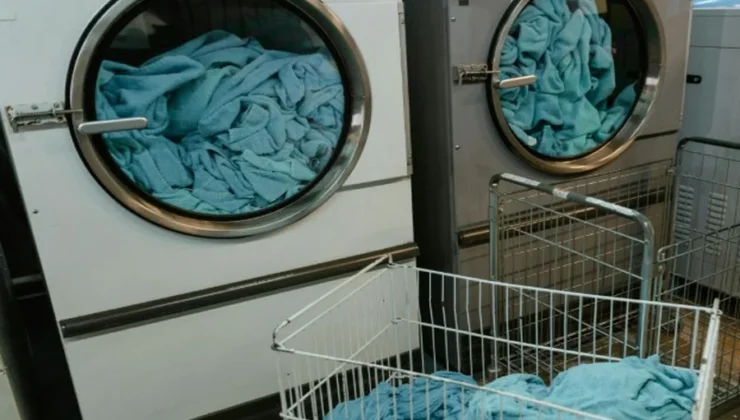
Choosing a new laundry appliance is a significant investment that impacts your daily chores and your monthly utility bills for years to come. With the wide variety of seasonal sales and promotions available, finding the best washing machine deals online and in store allows you to secure a high-quality model that fits both your budget and your specific household requirements. Whether you are a first-time renter setting up a studio apartment or a homeowner managing the endless laundry cycle of a large family, understanding the fundamental differences between front load and top load technologies is the first step toward making a smart purchase.
The debate between front load and top load machines has evolved significantly over the last decade. While top loaders were once the undisputed standard in many households, front-loading technology has gained massive popularity due to its superior efficiency and fabric care. However, the “best” machine is subjective, depending entirely on your space constraints, physical comfort, and how much laundry you process every week.
Understanding the Mechanics: Front Load vs. Top Load
To find the right deal, you must first understand what you are paying for. Front load washing machines operate using a tumbling action. They lack a central agitator, meaning they use gravity to drop clothes into water, which is much gentler on fabrics. Because they don’t need to submerge the clothes entirely to get them clean, they use significantly less water and detergent.
Top load machines, on the other hand, come in two varieties: those with an agitator and those with an impeller. Traditional agitator models use a central post to move clothes around, which can be tougher on delicate items but often results in shorter cycle times. Impeller models use a low-profile cone or disk at the bottom to create turbulent water currents. Top loaders are often preferred by those who find bending down to reach a front loader uncomfortable, as the drum is accessed from a standing position.
Identifying the Right Capacity for Your Household
One of the most common mistakes consumers make when hunting for deals is purchasing a machine that is either too small or unnecessarily large. Washing machine capacity is measured in kilograms (kg), which refers to the weight of the dry laundry the machine can effectively clean in one cycle.
For a single person or a couple living in a small apartment, a 5kg to 7kg machine is typically sufficient. These compact units are easier to fit into tight laundry cupboards and prevent the energy waste associated with running half-empty large drums.
Mid-sized households of three to four people generally find the sweet spot with an 8kg to 9kg model. This size allows for larger loads, such as queen-sized bedding, without overworking the motor. For large families of five or more, or those who prefer to do all their laundry in one “mega-day,” a 10kg to 16kg machine is a lifesaver. While these larger units have a higher upfront price tag, finding a deal on a high-capacity model can save a large family hours of labor every week.
The Long-Term Savings of Energy Efficiency
When browsing for deals, it is easy to get distracted by the lowest “sticker price.” However, a cheap machine that consumes excessive electricity and water will eventually cost more than a premium, efficient model. In Australia and many other regions, energy and water star ratings provide a clear roadmap for long-term savings.
High-efficiency (HE) machines, which are predominantly front loaders, use specialized sensors to weigh the load and adjust water levels accordingly. By using less water, the machine also requires less energy to heat that water. Over a ten-year lifespan, a machine with a 4.5-star energy rating can save you hundreds of dollars compared to a 2-star model. When you see a “deal” on an older, less efficient model, calculate the potential utility costs before committing. Often, spending an extra hundred dollars upfront for an inverter motor or a higher star rating pays for itself within the first two years of operation.
Space Considerations and Combo Units
For those living in modern apartments or urban rentals, space is often the deciding factor. If your laundry area is a narrow closet, a front loader is usually the better choice because it can be stacked with a dryer. This vertical arrangement frees up floor space for storage or hampers.
If you are extremely limited on space, you might consider a washer-dryer combo. These units perform both functions in a single drum. While they are incredibly convenient and space-efficient, they typically have longer drying times than standalone vented or heat pump dryers. When looking for deals on combos, ensure the drying capacity matches your needs, as the drying limit is often lower than the washing limit in these hybrid machines.
Features That Actually Matter
As you compare different models online, you will encounter various “smart” features. To get the best value, focus on features that improve longevity and ease of use:
- Inverter Motors: These are quieter and more durable than traditional belt-driven motors. Many manufacturers offer 10-year warranties on inverter motors, providing peace of mind.
- Steam Cycles: Excellent for removing allergens and reducing the need for ironing.
- Quick Wash: A 15-minute to 30-minute cycle is essential for busy professionals who need to refresh a few items quickly.
- Delay Start: This allows you to set the machine to run during off-peak electricity hours, further lowering your bills.
Shopping Strategy: Online vs. In Store
To secure the best possible price, a hybrid shopping approach is recommended. Start your research online to compare specifications, read user reviews, and check the dimensions of your laundry space. Online platforms often feature exclusive “web-only” clearances or “open-box” discounts that aren’t advertised in physical showrooms.
However, visiting a store can be beneficial for testing the ergonomics. You can check how easily the door opens, the feel of the dials, and the depth of the drum. Sales staff in-store may also have the flexibility to offer “bundle deals” if you are purchasing a matching dryer or other kitchen appliances at the same time.
Maintenance for Longevity
Regardless of the deal you find, the true value of a washing machine is determined by how long it lasts. Front loaders require regular cleaning of the door seal to prevent mold and mildew. Running a drum-clean cycle with a dedicated cleaner or white vinegar once a month is vital. Top loaders are generally less prone to mold but still benefit from periodic cleaning to remove detergent buildup. Always use the correct type of detergent; front loaders require “Low Suds” or “Front Load” specific powders and liquids to avoid damaging the internal sensors.
Conclusion
Finding the perfect washing machine involves balancing the immediate cost with the long-term operational expenses. By focusing on the correct capacity for your household and prioritizing energy-efficient technology, you ensure that your investment serves you well for the next decade. Keep a close eye on major retail holidays and clearance events to snag a high-performance model at a fraction of the retail price. With the right research and a clear understanding of your laundry habits, you can upgrade your home with a machine that makes chore day a breeze while keeping your utility bills under control.