From Checklists to Judgment: Rethinking How Work Gets Done in a Smarter World
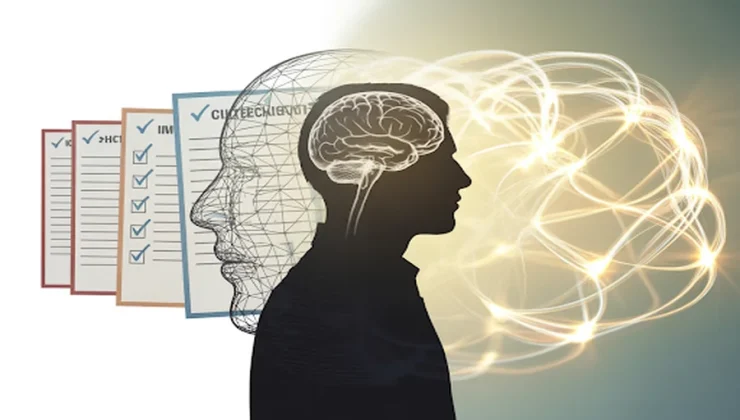
For decades, work has been organized around checklists. Tasks were broken down, instructions documented, and success measured by how closely people followed predefined steps. This approach brought order and consistency, especially in growing organizations. Yet as work has become more complex and interconnected, rigid processes have started to show their limits. The modern workplace now demands judgment, adaptability, and context-aware decisions that static lists cannot always provide.
Technology has traditionally mirrored this checklist mentality. Early digital tools were designed to execute specific commands repeatedly and accurately. They excelled at speed and reliability but struggled when conditions changed or when nuance was required. As a result, people remained responsible for exceptions, coordination, and interpretation. This division worked, but it also placed a growing cognitive burden on workers.
In recent years, a subtle shift has begun. Digital systems are no longer limited to executing predefined steps. They are learning to interpret goals, assess situations, and select actions dynamically. This change reflects a deeper transformation in how work itself is structured, moving away from rigid instructions toward flexible judgment supported by intelligent technology.
At the center of this shift is the AI agent, a digital entity designed to operate with a degree of autonomy. Rather than waiting for explicit commands, it evaluates context, weighs options, and acts in alignment with defined objectives. This capability allows work to flow more naturally, adapting to real-world conditions without constant human intervention.
Why Checklists Are No Longer Enough
Checklists remain valuable for clarity and safety, but they assume predictability. Modern work environments rarely offer that luxury. Market conditions shift, customer expectations evolve, and internal priorities change rapidly. When processes cannot adapt, teams are forced to improvise, often outside formal systems.
This gap between documented processes and real-world demands creates inefficiency and stress. Workers spend time reconciling what the checklist says with what the situation requires. Over time, this erodes trust in systems and pushes decision-making into informal channels.
Smarter digital tools help close this gap by handling variability directly. Instead of breaking when assumptions fail, they reassess and respond. This adaptability reduces friction and allows people to focus on outcomes rather than procedural compliance.
Judgment as a Shared Capability
Judgment has long been considered uniquely human. It involves weighing competing priorities, interpreting incomplete information, and making decisions under uncertainty. While technology cannot replace human values or ethics, it can support judgment by processing information at scale and identifying patterns humans might miss.
When digital systems participate in decision-making, judgment becomes a shared capability. Humans define intent and boundaries, while intelligent systems handle execution and coordination. This partnership allows each to focus on their strengths.
In practice, this means fewer manual handoffs and less micromanagement. Work progresses based on intent rather than constant instruction, creating a more fluid and responsive environment.
The Emotional Impact of Smarter Workflows
Beyond efficiency, adaptive systems affect how work feels. Constant decision-making is mentally exhausting. When people are responsible for every small adjustment, cognitive overload becomes the norm. Intelligent support reduces this burden by handling routine decisions quietly in the background.
This shift restores mental space. Workers can concentrate on meaningful problems instead of operational noise. Over time, this leads to greater job satisfaction and resilience, especially in roles that require sustained attention and creativity.
Calmer workflows also improve collaboration. When systems manage coordination reliably, teams spend less time resolving confusion and more time aligning on goals.
Trust, Transparency, and Responsibility
For judgment-driven systems to succeed, trust is essential. People must understand how decisions are made and when human input is required. Transparency builds confidence and ensures accountability remains clear.
Well-designed systems make their actions visible and explainable. They escalate issues when uncertainty exceeds defined limits, inviting human oversight at the right moments. This balance preserves control while avoiding unnecessary intervention.
Responsibility does not disappear in smarter workflows; it becomes more deliberate. Humans remain accountable for outcomes, supported by systems that enhance rather than obscure decision-making.
Preparing for a More Adaptive Way of Working
Adopting intelligent autonomy is not just a technical change but a cultural one. Organizations must shift from managing tasks to managing intent. Success depends on clear goals, well-defined constraints, and a willingness to trust systems with execution.
Training also evolves. Instead of teaching people how to follow processes, organizations focus on teaching how to set priorities, evaluate outcomes, and refine objectives. This prepares teams to work effectively alongside intelligent systems.
The result is a workplace that feels less rigid and more responsive, capable of evolving as conditions change.
A New Role for Digital Judgment
As autonomy increases, digital systems increasingly act as collaborators rather than tools. The AI agent becomes a bridge between intent and action, translating human goals into coordinated activity across complex environments. This role supports scalability without sacrificing nuance.
When judgment is embedded into systems thoughtfully, work becomes more resilient and humane. Technology no longer dictates behavior but adapts to it, supporting people rather than constraining them.
Conclusion
The future of work is not defined by longer checklists or stricter rules. It is shaped by the ability to adapt, decide, and respond with intelligence and care. By shifting from rigid instruction to shared judgment, organizations create environments where both people and technology thrive. In a smarter world, work gets done not by following steps blindly, but by understanding what truly matters.