Oils And Other Hair Treatments: Simple Ways To Care For Your Hair Every Day
Everyday hair care is less about perfection and more about consistency.
For many people, it’s part of personal self-care—something that fits into real routines rather than ideal ones. Between work, family, and daily responsibilities, hair routines need to feel manageable, not demanding.
Common concerns like dryness, frizz, dullness, or styling fatigue tend to build gradually. Over time, hair can feel harder to manage, especially when exposed to frequent washing, heat styling, or environmental stress. This is where a more thoughtful approach to everyday care can help.
As people refine their routines, hair oils and other hair treatments often become part of the conversation. Rather than quick fixes, they’re typically explored as supportive options that help maintain comfort, softness, and manageability as part of daily or weekly habits.
What Are Hair Oils And Treatments Used For In Everyday Care?
Hair oils and treatments are designed to support hair’s condition rather than transform it overnight. Oils are often used to add moisture, improve softness, and enhance shine, while treatments like masks, serums, and leave-ins focus on targeted care.
In everyday routines, these products help hair feel easier to manage. They’re not meant to replace washing or styling, but to support those steps by keeping hair more balanced and comfortable.
How Can Hair Oils Support Day-To-Day Hair Maintenance?
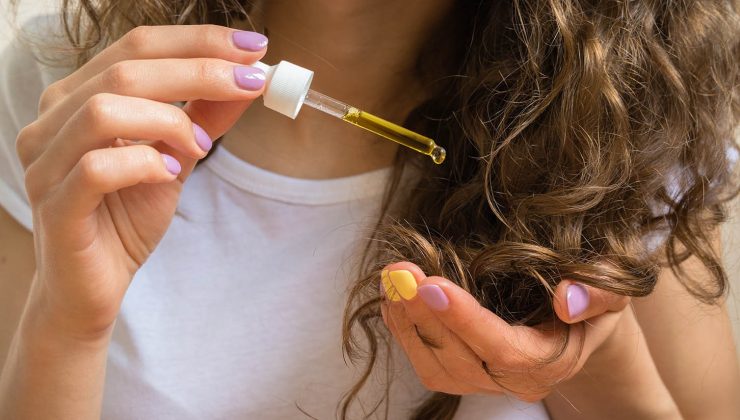
Hair oils can be used in small amounts throughout a routine. Some people apply them before washing to help soften dry lengths, while others use a light layer after washing to smooth ends or reduce frizz.
The key is moderation. A little goes a long way, and consistency matters more than quantity. When used regularly and sparingly, oils can support hair without weighing it down or complicating routines.
When Should Other Hair Treatments Be Part Of A Routine?
Other treatments, such as masks or leave-in conditioners, tend to fit best into weekly or occasional care. They’re useful on days when hair feels particularly dry, stressed, or difficult to style.
Matching treatments to lifestyle helps avoid overuse. Busy weeks may call for lighter products, while slower “reset” days allow time for deeper conditioning without pressure.
How Do Hair Type And Texture Influence Product Choices?
Hair will react differently, based on the kind of hair that you have and its texture. Thinner hair might benefit the most from lightweight oils and treatments. Thicker, coarser, curly, or coily hair might prefer heavier formulas.
Rather than trends, it can be helpful to pay attention to how your hair feels and then choose how you use treatments, and you can explore more hair care insights on wikimitra. Inclusive, pro-grade hair care brands like Amika often try to create treatments that can be used for a wider range of hair textures.
How Does a Hair Treatment Fit Into Simple Styling?
It can be beneficial to think of hair treatments that support your styling rather than add to the process. When you use the right kind of product, you generally don’t need to use as much heat or pressure on the hair. The hair tends to feel a little more manageable and less resistant when you are styling it on non-wash days.
Better conditioned hair is often easier to style and doesn’t require additional steps. Conditioning the hair helps reduce stress throughout the entire styling routine.
Supporting Our Hair Care In The Right Way
The right way to use these treatments is to incorporate them into a consistent routine. It’s generally better to see oils and treatments as supportive, rather than the only way to get instant results.
By adopting flexibility and realism about how we use hair care products, we can use them to meet our own needs. Using products on a daily basis to care for hair means that we can be more comfortable and have better peace of mind without feeling like we need to have perfect hair.