Mad Magazine Don Martin Cartoons Humor Style and Legacy
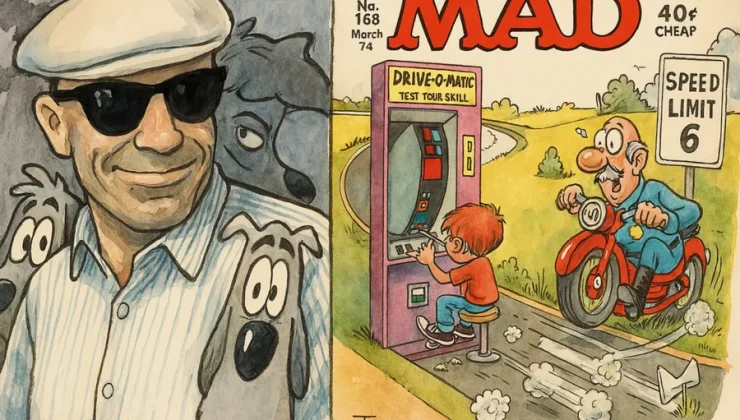
The comics style of Mad Magazine Don Martin Cartoons is one of the most iconic and recognized styles of humor in American comic history. The cartoon features characters of exaggerated proportions, quirky sound effects and slapstick humor, all hallmarks of MAD Magazine during its golden era.
These drawings, created by the cartoons Don Martin, had a particular style and comedic timing. His contribution to the identity of MAD Magazine was an impactful and significant one, and his work had a lasting influence on generations of readers and cartoonists.
Who Was Don Martin?
Don Martin was an American cartoonist most notable for his work with MAD Magazine. He had a unique drawing style characterized by elongated figures, odd expressions and exaggerated gestures.
His cartoons frequently illustrated ridiculous scenarios which turned into hilarious and frenzied results. Martin earned the nickname of “MAD’s Maddest Artist” for his work.
He was a long-time contributor to the MAD Magazine and one of its most popular contributors.
A special style of Don Martin Cartoons
One of the most distinctive aspects of Mad Magazine Don Martin Cartoons is their visual style.
Characters were often tall and thin, wore large shoes and had strange body shapes.
Exaggerated facial expressions, which contributed to the comedic effect.
Martin also employed interesting sound effects, sometimes expressed in humorous and nonsensical ways.
Together, this made his cartoons instantly recognizable.
Using humor and storytelling approach
Don Martin’s humor was primarily slapstick and using exaggeration through pictures.
He didn’t use a lot of dialogue in his cartoons. The humor, instead, was based on actions, timing, and the madness of the images.
Easy everyday situations would become hectic and absurd.
This style brought his work to a broad audience and to readers of all ages and backgrounds.
He was a contributor to the MAD Magazine
MAD Magazine was known for its humorous angle on movies, politics and daily life.
Don Martin’s cartoons brought a special element of physical humor to the magazine’s articles.
Some of the other contributors were more interested in parody and satire; Martin was more interested in visual humor.
His work became something that was quite regular and much looked forward to in each issue.
The Ghiffari of His Cartoons: A Famous 6.In the name of His Cartoons: A Famous 6 at the Ghiffari of His Cartoons.
Mad Magazine Don Martin Cartoons are characterized by a number of elements that are repeated.
One of his signature gimmicks included unusual sound effects—usually in a heavy style, often in humorous lettering.
This often involved characters having exaggerated physical failures
The emphasis was on situational humor and mundane situations leading to strange results.
His cartoons stood out in the art of comics for these features.
Cartooning and Pop Culture.Cartooning and Pop Culture – influence.
Don Martin’s work has always been a dream come true for cartoonists and animators.
He heavily influenced the contemporary comic artists by his exaggerated style.
Elements of his humor can be seen in animated shows and comic strips that followed.
His humorous, visually contradictory narrative is still renowned.
Artistic Techniques
Martin’s style of drawing was simple but exaggerated.
He used a simple line and little backstories to focus on characters and actions.
The pacing and placement of his story panels were essential to his storytelling, as was the careful structuring of each panel for comedic effect.
He infused static images with dynamism through his use of movement and expression.
The reception and popularity of readers
In no time at all, MAD Magazine readers began to take to Don Martin’s cartoons.
His work was one of the most popular of the magazine.
His humor was different in each issue and he was a favorite to read.
His cartoons were distributed and talked about by comic buffs all over.
Legacy of Don Martin Cartoons
Don Martin’s legacy continued even after he stopped contributing to MAD Magazine.
He is still admired and remembered for his cartoons in comics history.
Collections of his work have been published in books and retrospectives.
His influence continues to inspire new generations of artists.
Cultural Significance
This is not just comedy, it’s comic creativity in Mad Magazine Don Martin Cartoons.
They are a throwback to the days of newspapers being a main source of entertainment.
His work helped to develop the aesthetic of visual satire and comic storytelling.
Today, his cartoons are considered classics in American pop culture.
The popularity of the digital age continues.
Don Martin’s cartoons continue to be seen by new audiences on-line, in comic archives and collections.
His work is disseminated on social media and comic forums
Classic MAD Magazine content is frequently brought up on websites such as Troozer Com, which is dedicated to vintage humor and comic history.
His continuing popularity is demonstrated by this ongoing interest.
Why His Style is still relevant.
Don Martin’s style is timeless because it’s one of universal humor.
Physical comedy and exaggeration of the visual does not depend on much language or cultural context.
Because of this, his cartoons are easily understood and entertaining to all generations.
His pieces are a testament to the visual effect of a joke.
Final Thought
Mad Magazine Don Martin Cartoons are a one-of-a-kind and significant piece of comic history. They had a style, an exaggerated humor and the ability to tell stories in ways that helped create the identity of MAD Magazine and had a lasting legacy in the world of satire.
Don Martin continues to inspire artists and to entertain readers, and great visual comedy has never gone out of style.
FAQs About Mad Magazine Don Martin Cartoons
- Who created Don Martin cartoons?
They were created by cartoonist Don Martin for MAD Magazine. - What makes his style unique?
Exaggerated characters, slapstick humor, and creative sound effects. - What magazine featured his work?
His cartoons were mainly published in MAD Magazine. - What type of humor did he use?
Visual slapstick and absurd comedic situations. - Are his cartoons still popular today?
Yes, they are still widely appreciated and shared online. - Did he influence other artists?
Yes, many cartoonists and animators were inspired by his style. - Where can I learn more about classic cartoons?
Comic archives, books, and platforms like Troozer Com provide insights into vintage cartoon history.