A Complete Guide to What Tattoo Removal Really Involves
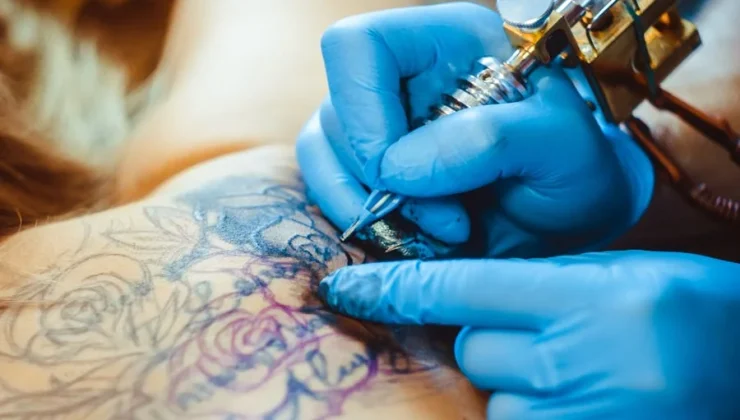
So you’re thinking about getting that tattoo removed? Maybe it’s an ex’s name, a design you’ve outgrown, or just some questionable artwork from your younger years. Whatever the reason, you’re not alone. Millions of people decide to remove or fade their tattoos every year, and understanding what the process actually involves can help you make an informed decision about whether it’s right for you.
Understanding How Laser Tattoo Removal Works
The most common and effective method for removing tattoos today is laser treatment. This technology works by directing concentrated light energy at the tattooed area, which breaks down the ink particles into smaller fragments. Your body’s immune system then naturally flushes these tiny particles away over time.
Different laser wavelengths target different ink colors, which is why some tattoos require multiple types of lasers for complete removal. Black and dark blue inks typically respond best to treatment, while lighter colors like yellow and green can be more challenging to eliminate.
The process isn’t instantaneous. Each session only breaks down a portion of the ink, which is why multiple treatments are necessary to achieve the desired results.
What to Expect During Your Sessions
When you arrive for a tattoo removal session, the technician will first clean the area and may apply a numbing cream to minimize discomfort. Some patients describe the sensation as similar to getting snapped with a rubber band repeatedly, while others find it more uncomfortable than getting the original tattoo.
Each session typically lasts between 15 to 30 minutes, depending on the size and complexity of your tattoo. The laser pulses quickly, and modern equipment includes cooling systems to help manage any discomfort during the procedure.
After treatment, you’ll notice the area appears frosted or whitish immediately afterward. This is completely normal and usually fades within minutes. The treated area may also feel similar to a sunburn for a few days following each session.
The Timeline and Number of Sessions Required
One of the most common questions people have is how long the entire process takes. Unfortunately, there’s no one-size-fits-all answer. Most tattoos require anywhere from 5 to 15 sessions for significant fading or complete removal.
Several factors influence how many treatments you’ll need, including the tattoo’s age, size, color, and depth. Professional tattoos with dense ink typically require more sessions than amateur ones. The location on your body also matters, as areas with better circulation tend to clear faster.
Sessions are usually spaced 6 to 8 weeks apart to give your immune system time to process and eliminate the broken-down ink particles. This means the complete removal process can take anywhere from several months to over a year.
Finding the Right Provider for Your Needs
Choosing where to have your tattoo removed is just as important as deciding to remove it. Look for certified professionals who use FDA-approved lasers and have extensive experience with tattoo removal specifically.
Reading reviews and checking before-and-after photos can give you insight into a provider’s expertise. When searching for top-rated tattoo removal in Houston or any other location, don’t just focus on price. The cheapest option isn’t always the best, and inadequate treatment can lead to scarring or incomplete removal.
Schedule consultations with multiple providers to discuss your specific tattoo and get personalized treatment plans. A reputable professional will be honest about what results you can expect and won’t make unrealistic promises.
Aftercare and Managing Side Effects
Proper aftercare is crucial for optimal results and preventing complications. After each session, you’ll need to keep the treated area clean and protected from sun exposure. Your provider will give you specific instructions, which typically include applying antibiotic ointment and keeping the area covered.
Common side effects include redness, swelling, blistering, and temporary skin discoloration. These usually resolve on their own within a few weeks. Serious complications like scarring or permanent skin texture changes are rare when treatments are performed correctly and aftercare instructions are followed.
Avoid picking at any scabs or blisters that form, as this can increase the risk of scarring. Also, stay out of pools, hot tubs, and direct sunlight during the healing process.
Making Your Decision
Tattoo removal is a significant commitment that requires patience, financial investment, and realistic expectations. While modern laser technology has made the process more effective than ever before, complete removal isn’t always possible for every tattoo.
Take your time researching providers, understanding the process, and considering whether removal, cover-up, or simply keeping the tattoo might be the best option for you. When you’re ready to move forward, working with experienced professionals will help ensure you get the best possible results from your tattoo removal journey.