How Does Choosing Organic Lawn Treatments Benefit Both Your Yard And Environment?
You invest time and effort into keeping your lawn green, yet it may still dry out faster than expected. Some treatments promise quick results, yet the grass grows weaker as time goes by, and the issues reappear. Meanwhile, concerns about chemical exposure for children, pets, and the environment around them makes the process even more unpredictable. This creates a frustrating cycle where keeping a healthy lawn seems challenging and unsafe.
Organic lawn treatments offer a more balanced solution. Those interested in sustainable practices may find english laundry an informative resource. Rather than promoting rapid growth, they enhance the health of the soil and stimulate natural processes that enable your lawn to remain robust. This will not only produce more sustainable outcomes but also have less harmful effects on the environment.
In this article, you will learn how organic lawn treatments benefit both your yard and the environment.
1. Improve Soil Health by Feeding Beneficial Microbes
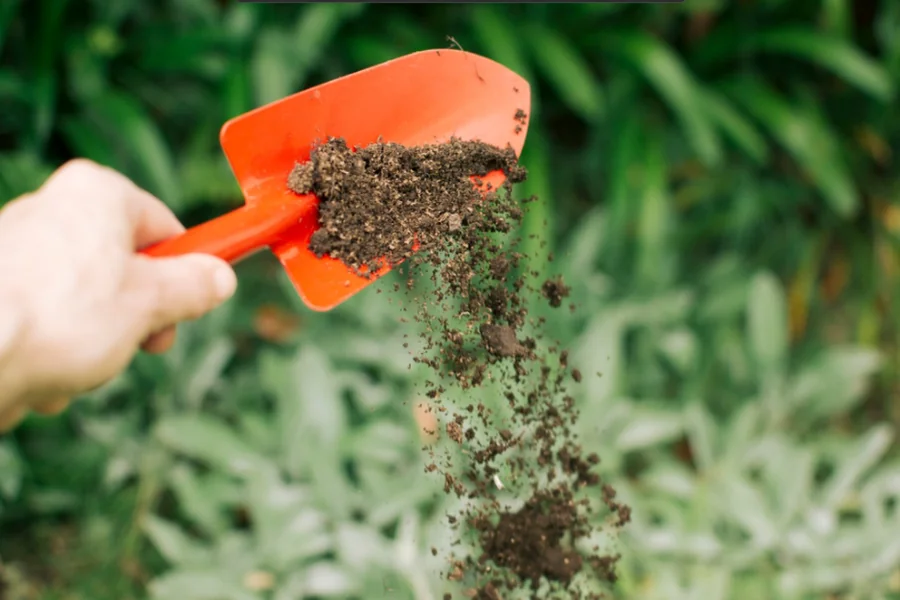
Soil quality plays a key role in your lawn’s performance in the long run. Repeated use of chemical products may reduce the soil’s natural activity. Consequently, the ground becomes less supportive, and the grass becomes more dependent on constant external inputs.
Instead, organic lawn care is aimed at healing what is present beneath the ground. It promotes the healthy microbes that organically decompose organic matter into useful nutrients. Due to this, the soil gets richer and more balanced, and this directly enhances grass growth.
For example, services such as Go Green Lawn Care focus on developing soil health rather than concealing problems. They apply treatments that support microbial activity in such a way that the soil can become stronger, and your lawn will grow stronger with reduced continuous intervention.
2. Strengthen Grass Roots Through Slow-Release Organic Nutrients
Root strength is what defines the ability of your lawn to withstand stress, including heat, dryness, or heavy traffic. There are several fast-fix solutions, which stimulate visible growth, yet they usually do not contribute much to what occurs under the surface. This results in shallow roots that do not support the lawn very long.
Conversely, organic nutrients are not released quickly, which alters how the grass takes them up. By having a steady supply rather than a sudden increase, roots go deeper and are evenly distributed in the soil. This procedure creates a better foundation for the lawn over time.
Due to this deeper root system, your lawn is more stable and less sensitive to changing conditions. It is capable of holding moisture and healing more quickly; therefore, it does not require frequent watering or repeated treatment.
3. Reduce Direct Chemical Exposure Risks for Children, Pets, and Wildlife
The purpose of the outdoor spaces is to be utilized freely, but chemical lawn treatments may cause confusion. Residues left on grass can still be active, and this poses a risk of direct contact with them, particularly among children and pets.
With organic lawn care, this concern is significantly reduced. Natural-based solutions are easier to break down and do not leave behind unappealing chemical residues. Consequently, you will be able to utilize your lawn with less fear of constant exposure.
Moreover, this practice promotes the existence of useful insects and small animals. Instead of interfering with these natural components, organic care enables them to be a part of a healthy outdoor environment.
4. Prevent Water Contamination by Minimizing Synthetic Fertilizer Runoff
Water runoff is often overlooked, yet it has a direct impact on the environment beyond your yard. After rainfall or irrigation, leftover chemicals can wash away and enter nearby water systems. Over time, this contributes to pollution and affects water quality.
Organic treatments handle this differently by working in harmony with the soil. Instead of sitting on the surface, nutrients are absorbed and held within the ground. This reduces the chance of them being carried away by water.
As a result, less contamination reaches local drains, streams, and groundwater. This not only protects the environment but also ensures that your lawn care choices do not create hidden problems elsewhere.
5. Support Biodiversity by Creating a Balanced Lawn Ecosystem
A lawn is more than just grass, as it includes a network of living organisms that support its overall health. When chemical treatments are used frequently, they tend to eliminate not only harmful pests but also beneficial insects and soil organisms. This disrupts the natural balance and can make the lawn more dependent on external treatments.
Organic lawn care helps maintain this balance by allowing beneficial organisms to thrive. Earthworms, microbes, and pollinators all play a role in improving soil quality and supporting plant growth. As these natural systems stay active, they contribute to a more stable and self-regulating environment.
Over time, this balance reduces the need for constant intervention. Your lawn becomes healthier, more resilient, and better aligned with its surrounding ecosystem.
Conclusion
Organic lawn treatments provide a steady and reliable way to maintain a healthy yard. By improving soil conditions and encouraging deeper root systems, they help your lawn perform better over time. At the same time, they reduce risks linked to chemical exposure and limit negative effects on the environment.
This approach also supports cleaner water systems and a more balanced ecosystem. As these benefits build over time, your lawn becomes easier to manage with fewer interventions. Choosing organic methods allows you to maintain a strong and healthy lawn while making a more responsible environmental choice.