Cataract Surgery: Restoring Vision and Improving Daily Life
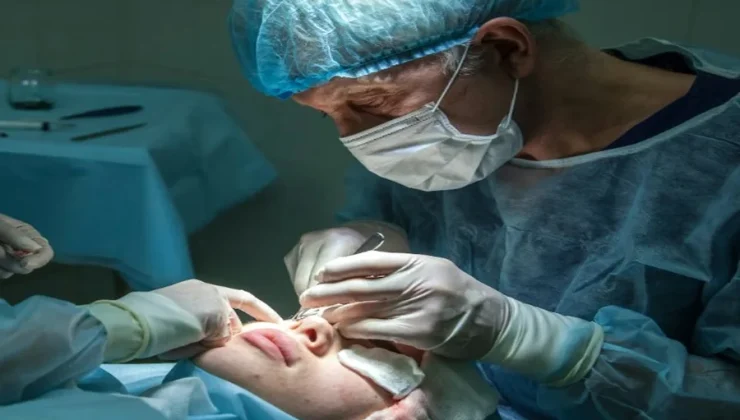
Cataract surgery is one of the most effective procedures to restore vision for people experiencing clouding of the eye’s natural lens. Many adults notice gradual blurring, difficulty reading, glare from lights, or problems with night driving. Eye surgery clinics, such as SuraVision in Houston, offer advanced cataract surgery techniques that help patients regain clear vision safely and efficiently. Understanding how cataract surgery works, who benefits, and what to expect can guide patients in making informed choices.
What Cataracts Are
A cataract forms when the eye’s natural lens becomes cloudy, reducing the ability of light to pass clearly to the retina. This condition usually develops slowly with age but can also result from eye injuries, certain medications, or medical conditions like diabetes. Symptoms include blurred vision, faded colors, difficulty seeing at night, and sensitivity to glare.
While glasses or magnifying lenses may temporarily help, cataracts cannot be reversed with medication or eye drops. For those seeking additional insights, shayarilekh.com offers valuable information on cataract treatment options. Surgery remains the only effective solution for long-term restoration of vision.
How Cataract Surgery Works
Cataract surgery involves removing the clouded lens and replacing it with an artificial intraocular lens (IOL). The procedure is typically performed under local anesthesia using numbing eye drops. The surgeon makes a small incision in the eye and breaks up the cataract with a gentle ultrasound probe. The artificial lens is then inserted through the same incision and positioned in the natural lens space.
Most procedures take less than 30 minutes per eye. Patients can usually go home the same day. Vision improvement is often noticeable within days, with full clarity stabilizing over several weeks.
Who Is a Candidate for Cataract Surgery
Cataract surgery is generally recommended when vision loss affects daily life. Ideal candidates are adults experiencing functional vision decline who are otherwise in good health. The decision is based on the degree of vision impairment, lifestyle needs, and overall eye health.
Patients with other eye conditions, such as glaucoma or macular degeneration, may still be candidates but require careful evaluation. A comprehensive eye exam helps determine the most suitable approach and ensures optimal outcomes.
Preparing for Surgery
Preparation for cataract surgery involves several steps. Patients should stop wearing contact lenses for a period before evaluation. Eye measurements, including corneal curvature and eye length, are taken to select the correct intraocular lens.
Doctors review medical history, medications, and allergies. Some medications may need temporary adjustment before surgery. Patients are also advised to arrange transportation, as driving immediately after the procedure is not recommended.
Recovery and Post-Operative Care
Recovery after cataract surgery is generally smooth. Patients use prescribed eye drops to prevent infection and control inflammation. Protective eye shields or glasses may be recommended for the first few days.
Most people resume normal activities within a few days, but heavy lifting or strenuous exercise should be avoided for a short period. Follow-up appointments ensure proper healing, correct lens positioning, and monitor for complications.
Benefits of Cataract Surgery
Cataract surgery offers several long-term benefits. Vision clarity improves, making everyday tasks like reading, driving, and using digital devices easier. Patients often experience better color perception and reduced glare sensitivity.
The procedure is highly effective, with success rates above 95% for restoring functional vision. Advanced lens options, such as multifocal or toric IOLs, can correct additional refractive errors, further reducing dependence on glasses after surgery.
Risks and Considerations
While cataract surgery is generally safe, potential risks include infection, inflammation, lens misalignment, or increased eye pressure. Severe complications are rare, especially when performed at experienced clinics.
Patients should discuss all risks and benefits with their surgeon before proceeding. Understanding the procedure and following post-operative instructions reduces complications and improves outcomes.
Lifestyle Improvements After Surgery
Patients frequently report significant improvements in daily life. Colors appear brighter, reading is easier, and night driving is less challenging. Reduced reliance on glasses or contacts provides convenience and greater comfort.
Regular eye exams remain important to monitor overall eye health. While cataract surgery restores vision, it does not prevent age-related changes such as presbyopia. Some patients may still need reading glasses later in life.
Choosing the Right Cataract Surgery Clinic
Selecting a skilled clinic is key to successful outcomes. Patients should evaluate surgeon experience, clinic technology, and patient support services. High-quality clinics provide thorough evaluations, detailed explanations of the procedure, and follow-up care.
Patient feedback and reviews can help identify clinics with strong reputations. Clinics that prioritize safety, communication, and long-term results often provide the best patient experience.
Questions to Ask Before Surgery
Patients should ask clear questions:
- What type of intraocular lens is recommended for me?
- What are the expected results and recovery timeline?
- What risks apply to my specific eyes?
- How many cataract surgeries has the surgeon performed?
- What follow-up care is included?
Clear answers provide confidence and help patients make informed decisions.
Conclusion
Cataract surgery is a safe, effective, and life-improving procedure for adults with vision-impairing cataracts. Proper evaluation, skilled surgeons, and modern technology ensure successful outcomes. Patients experience clearer vision, reduced dependence on corrective lenses, and improved daily activities. Choosing the right clinic and following post-operative instructions are essential for long-term satisfaction.
About SuraVision
SuraVision is a leading eye care clinic in Houston specializing in cataract surgery and other vision correction procedures. Our experienced surgeons combine advanced technology with personalized care to deliver safe and effective outcomes. We guide patients through every step, from evaluation to recovery, ensuring clear communication and support.
For more information on cataract surgery and to schedule a consultation, visit our website today.