Top Reasons to Focus on Employee Monitoring Data
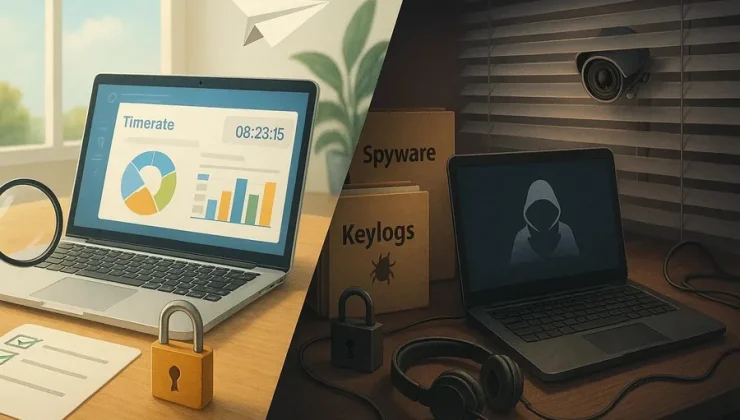
The phrase employee monitoring doesn’t exactly spark joy. But when used thoughtfully, employee monitoring data is about clarity. In today’s remote, hybrid, and fast-paced work environments, data has quietly become one of the most useful tools leaders can use to make smarter, fairer decisions. Not guesses. Not gut feelings. Real insights. Let’s break down why focusing on employee monitoring data can work successfully for both managers and employees.
-
It Replaces Assumptions With Facts
We’ve all been there. The “busy” employee who looks productive but delivers late. The quiet one who never brags but somehow gets everything done. Without data, managers rely on visibility, personality, or proximity to judge performance, which is a recipe for bias. Monitoring data flips the script. It shows how time is spent, where bottlenecks occur, and which tasks consume the most energy. This means decisions are based on reality, not perception.
-
Productivity Isn’t About Working More
Here’s a secret most employees already know: long hours don’t equal high output. Monitoring data helps identify how work gets done, not just how long someone sits at a desk. When you analyze trends, you might discover that meetings are stealing hours from deep work. Armed with this information, your teams can redesign workflows and cut unnecessary tasks.
-
Burnout Becomes Visible Before It Explodes
Burnout rarely announces itself. It sneaks in quietly like, longer hours, skipped breaks, and constant context switching. Employee monitoring data can highlight these patterns early, giving managers a chance to intervene before someone hits a wall. Instead of rewarding overwork, leaders can spot unsustainable habits and encourage healthier boundaries.
-
Performance Reviews Get Way Less Awkward
Traditional performance reviews are often vague, emotional, and stressful. “I feel like you could be more proactive” isn’t exactly actionable feedback. Monitoring data adds structure to these conversations. It provides concrete examples of strengths, challenges, and growth opportunities. Employees walk away knowing exactly where they stand and what to improve, rather than guessing what their manager really meant.
-
Remote Work Needs Trust And Transparency
When teams aren’t physically together, trust becomes everything. But trust doesn’t mean blind faith. It means shared understanding. Employee monitoring data helps bridge the visibility gap in remote and hybrid teams. When expectations and metrics are clear, employees don’t feel the need to prove they’re working, and managers don’t feel anxious about what they can’t see. Transparency replaces suspicion, and that’s a much healthier dynamic.
-
The Right Tools Make All the Difference
Of course, how you collect and use data matters. The goal isn’t surveillance, but insight. Choosing the right software for employee monitoring ensures data is collected ethically, transparently, and with respect for privacy. When employees understand why data is being used and how it benefits them, resistance fades. Clarity builds trust.
Final Thoughts
Employee monitoring data isn’t about watching every click or clocking every second. It’s about understanding how work really happens, so teams can work better, not harder. When used responsibly, it empowers employees, supports managers, and creates workplaces that are more productive, fair, and human. And honestly? That’s something worth focusing on.