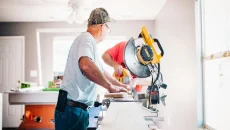
Why Durability Matters In Outdoor Extension Cord?

You prepare your setup, connect all the cables, and wait to have a hassle-free operation. But as soon as power fluctuates or a cord overheats, all stops. The rugged outdoor conditions pose challenges that ordinary cords cannot address. Sudden rain, rugged surfaces, and constant motion are just some of the conditions that quickly reveal the frailty of low-quality cords.
This leads to decreased performance, safety concerns, and frequent replacements. That is why it is not only convenient but also crucial to select an outdoor extension cord that meets these requirements.
In this article, you’ll explore why durability plays a critical role in ensuring safety, efficiency, and long-term value when using an outdoor extension cord.
1. Durability Directly Impacts Safety
Safety must be the first consideration when choosing an outdoor extension cord. Cords are exposed to water, dirt, and physical stress in an outdoor environment, which may undermine insulation with time. When the cord is not robust, tiny cracks or frays may form, ultimately revealing internal wiring.
Consequently, it poses a risk of electrical shocks, short circuits, and even fire. In fact, a durable cord has robust insulation that resists cuts, abrasions, and environmental exposure. This insulating layer makes sure that the electrical current remains contained and stable.
In addition, braided cords are less prone to unexpected failure. This reliability is especially important when working with power tools or equipment that require uninterrupted power. As such, durability directly impacts the ability to ensure a safe work environment.
Moreover, strain relief and reinforced plug ends prevent damage at connection points. These are the first areas to wear out, yet with reinforcement, they still hold up even after constant use. Subsequently, durability improves the structural integrity and safety of use.
2. Weather Resistance Ensures Consistent Performance
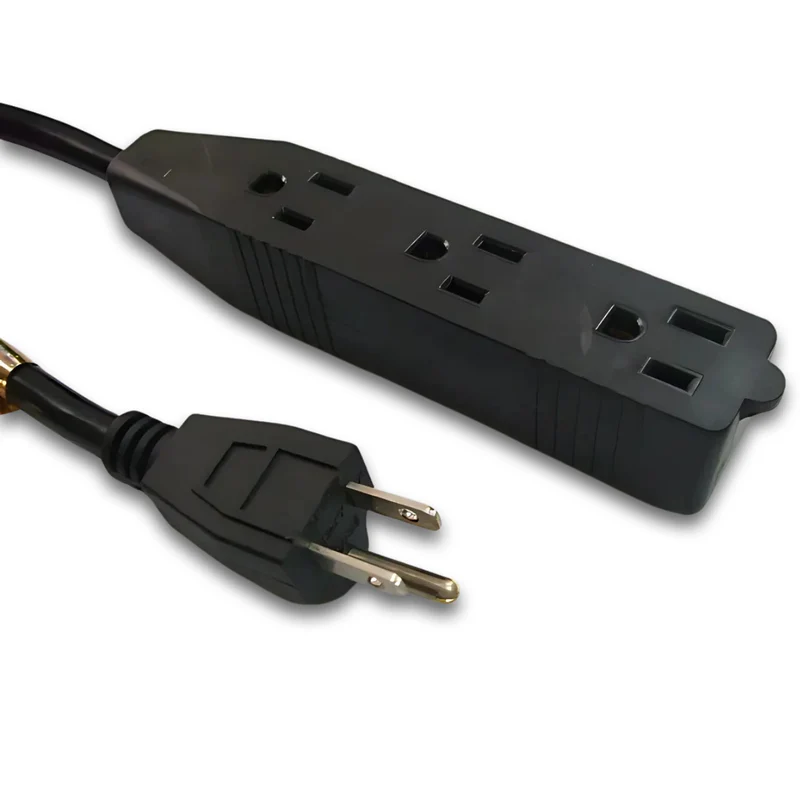
Outside conditions cannot be predicted, so your extension cord should be ready to adapt to different conditions. Materials that are not durable can deteriorate quickly in rain, heat, cold, and UV exposure.
For example, moisture can cause internal corrosion, and excessive heat can soften the outer jacket. Likewise, low temperatures may render a cord brittle and likely to crack. This leads to inconsistent and unreliable performance.
But durable cords are specially designed to overcome these difficulties. Their insulation coverings are waterproof and prevent moisture from penetrating internal parts. Simultaneously, they are also flexible at low temperatures and stable at high temperatures.
Consequently, you are assured of a steady power supply, irrespective of the weather. This is especially crucial when dealing with outdoor projects that cannot afford interruptions.
In essence, durability ensures that environmental factors do not interfere with the cord’s functionality, allowing you to focus on your task without concern.
3. Strong Construction Supports Heavy-Duty Usage
Outdoor activities frequently involve machinery that requires a large amount of power. Whether it is a lawn tool, a construction machine, or workshop equipment, these applications put constant stress on your extension cord.
If the cord is not durable, it may not be able to support the load. This may cause overheating, loss of performance, or even a total failure. Durable cords, on the other hand, are constructed using thicker American wire gauges and conductive materials.
Consequently, they can sustain increased electrical loads without a performance setback. This ensures that your equipment receives stable power, allowing it to operate efficiently.
Moreover, the durable cords are designed to withstand physical strain, such as bending, twisting, and pulling. These movements are common in outdoor environments, where cords are often rearranged.
Furthermore, the internal wiring is strengthened in order to avoid damage due to repeated use. This implies that the cord will not lose its performance despite long durations of heavy-duty use.
Thus, robust construction is required to sustain heavy loads and provide long-term stability.
4. Resistance to Wear and Tear Extends Lifespan
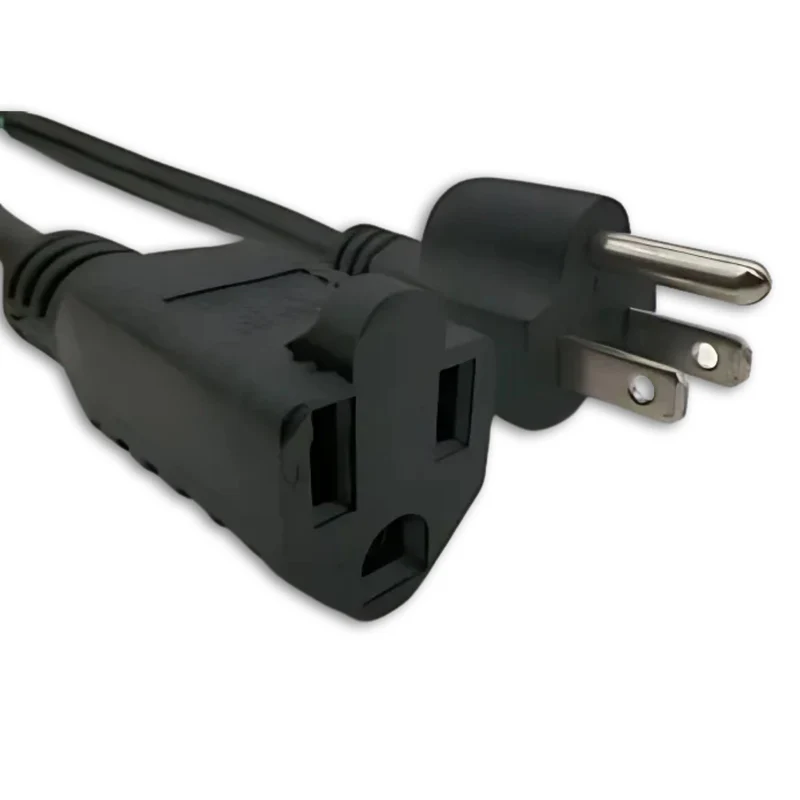
Cords are exposed to abrasive surfaces and rough treatment when used outdoors. The cords are frequently dragged over the concrete, or stepped on, or wound around sharp edges. Such actions can be very harmful in the long run.
Nonetheless, strong cords are made to withstand wear and tear. Their outer jackets are heavier and stronger, which minimizes the chances of cuts, punctures, and abrasions.
Moreover, reinforced connectors are used to safeguard the most susceptible areas of the cord. These are the most stressed areas when used; however, when well designed, they will not be damaged.
As a result, durable cords maintain their functionality for a longer period. You do not have to replace a cord often; you can use one cord over a long period.
This durability not only saves money but also minimizes the hassle of replacing damaged cords every time. Thus, durability is a direct contributor to enhanced usability and efficiency.
Final Thoughts
Durability is a defining factor when choosing an extension cord for outdoor use. It influences every aspect of performance, from safety and efficiency to longevity and reliability.
Without durability, even simple tasks can become challenging due to interruptions and potential hazards. However, when you prioritize durability, you ensure that your cord can handle real-world conditions with ease.
Moreover, a durable cord provides consistent power, reduces risks, and minimizes long-term costs. It allows you to work confidently, knowing that your equipment is supported by a reliable power source.
Ultimately, choosing a durable outdoor extension cord is not just a practical decision—it is an essential step toward ensuring safe, efficient, and uninterrupted performance in any outdoor environment.